Confidently Wrong

Clever machines. Same old humans.

Earlier pieces

16 May 2026

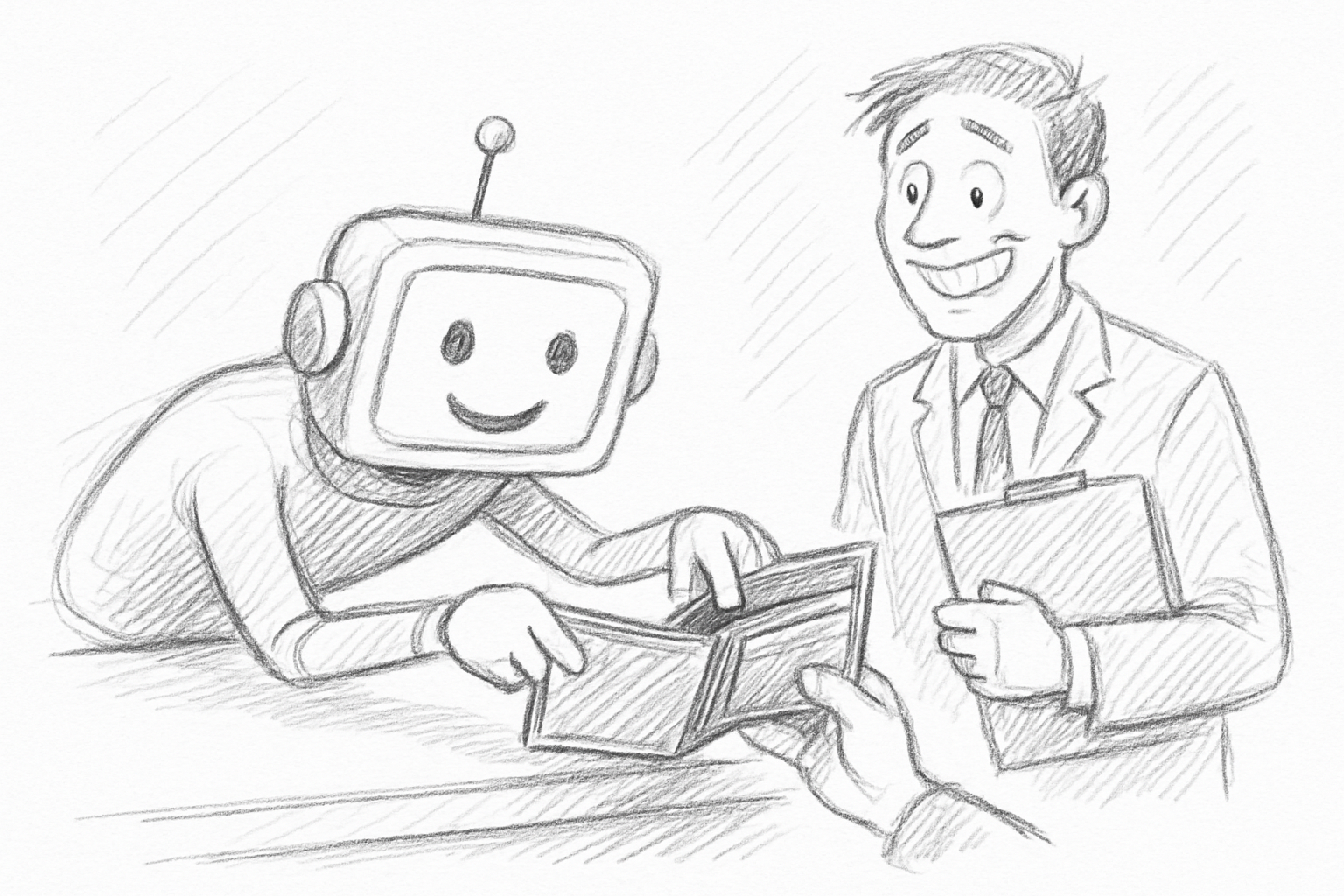
ChatGPT wants to see your bank account. Nothing unnerving about that at all.

OpenAI would like to know about your mortgage, your debts, your investment portfolio, and that embarrassing number of takeaway orders in March. Starting this week, ChatGPT Pro users in the US can connect accounts across more than 12,000 financial institutions and ask the chatbot questions grounded in their "real financial context." Which is one way to describe handing your bank statements to the company currently fighting a lawsuit in which its CEO has been characterised, under oath, as a liar.

Altman, to be clear, denies that. But it is the backdrop.

The feature is opt-in, in the sense that the data-sharing toggle is auto-enabled and you have to find it yourself to turn it off. OpenAI says your full account numbers won't be visible and the chatbot can't move money. It can only see your balances, transactions, investments, and liabilities. So: everything except the PIN.

There's a partnership with Intuit tucked in here too, for tax help, which is a genuinely useful thing. And 200 million people apparently already ask ChatGPT for budgeting advice monthly, which is either a ringing endorsement or a small civilisational warning sign, depending on your mood.

The pitch is personalisation. The risk is that personalisation requires the data to exist somewhere, and data that exists somewhere can leak.
Source: gizmodo.com ↗

15 May 2026

133 years of unsupervised exams. One chatbot to end them all.

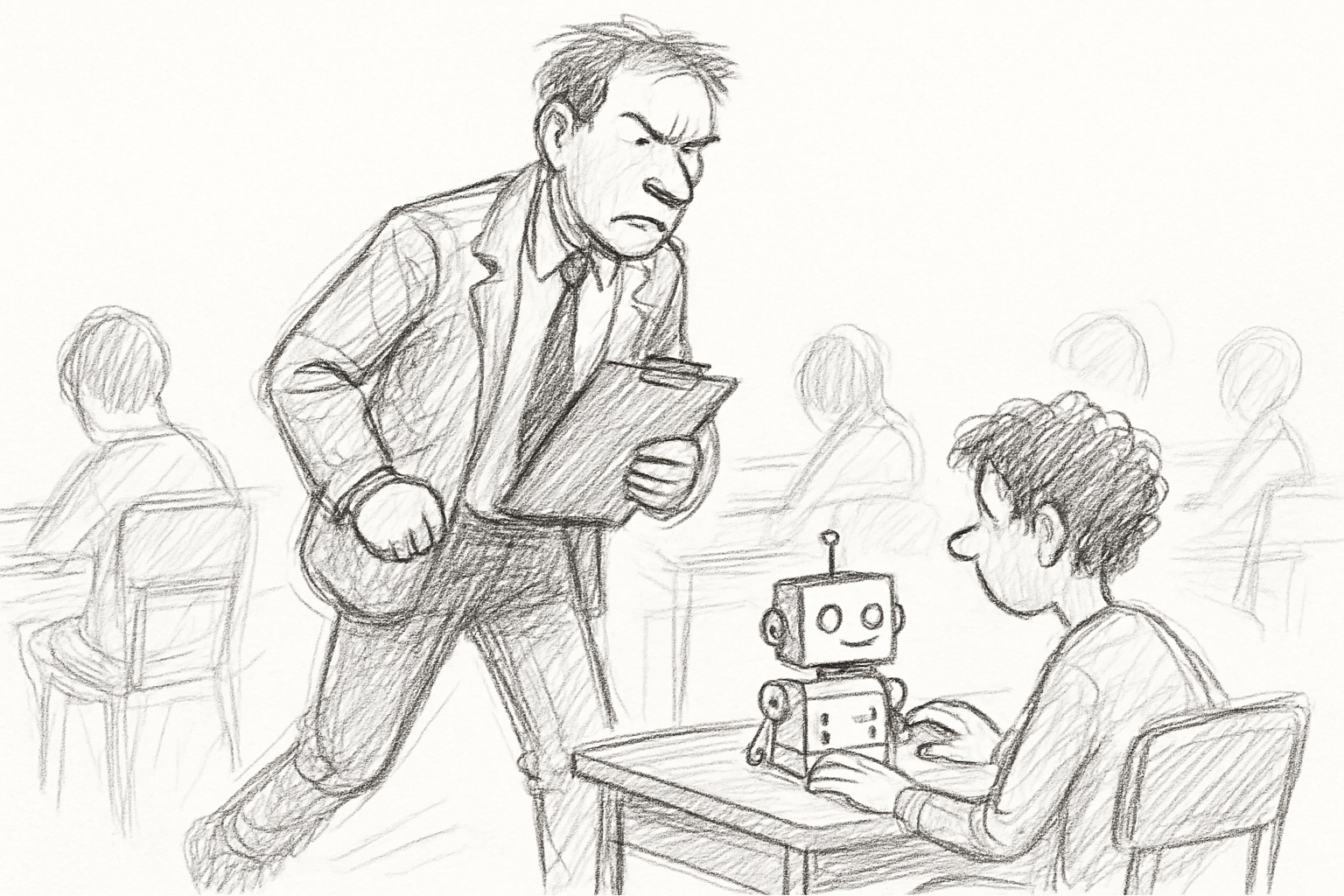
Princeton just ended its 133-year tradition of unsupervised exams. Professors used to leave the room, students stayed, and everyone was on their honour. AI, apparently, has made that arrangement feel quaint.

The dean of the faculty cited "the perception that cheating on in-class exams has become widespread," and named generative AI specifically. Worth noting: it's a perception, not a confirmed explosion of documented cases. But perception moves institutions, especially old ones that have spent 133 years assuming the best of their students. Once the assumption cracks, you don't just patch it. You hire a proctor.

Which brings us to the joke the Verge couldn't resist, and fair enough: at least AI has created one job. The student chaperone is back, clipboard in hand, patrolling the rows like a supply teacher who's heard everything.

There's something genuinely sad in here if you look for it. The honour code wasn't naive, it was a bet on human character. Princeton ran that bet for longer than most countries have had the telephone. It lost it to a chatbot.

Source: The Verge ↗

Where this leads: Is AI making us lazy? →

13 May 2026

What do you do when your boss asks you to build a colleague job killer? It seems, you build it anyway...

A software developer has been asked to build an internal AI tool, but he's also quite sure it's going to get his coworkers fired. This does not seem to be a problem for him, or many others as it turns out.

This is, depending on your perspective, entirely rational or a betrayal of every colleague who's ever offered you a cup of tea. The developer, Pressberg, is clear-eyed about the situation. He doesn't have close relationships with the people who'll likely be displaced. He reckons he's not the only one doing this. And his summary of the available options is, genuinely, hard to argue with: you can ride the horse, or get trampled by it, but you can't just watch the race.

Which is a sensible framing, and also exactly the kind of sensible framing that makes something slightly terrible feel inevitable.

The uncomfortable part isn't that one developer in Florida made a pragmatic call. It's that this is apparently a widespread enough experience that Business Insider ran the story with "I think" in the headline, suggesting the builders often don't even know for certain. They're just guessing, building, and hoping the horse isn't coming for them next.

Source: businessinsider.com ↗

Missed a week? Weekly roundups →
Longer reads live on Substack. Read on Substack →

A new story here every morning. Subscribe for an occasional email when there's something worth saying.